
What Parents Should Know About Transitional Kindergarten
As a parent, you want to provide the best possible start for your child’s education. Navigating the early years of schooling often brings up many questions about the right path for your young learner. A common question we hear at Just Children is simply asking what is transitional kindergarten. We created this transitional kindergarten guide for parents to explain how this program serves as a valuable stepping stone before first grade.
Transitional kindergarten gives children the gift of time. It offers a structured yet flexible environment designed specifically for young minds that need a little more room to grow before entering a traditional classroom setting. Our team at Just Children understands early childhood development deeply, and we are excited to share how this program can support your family.
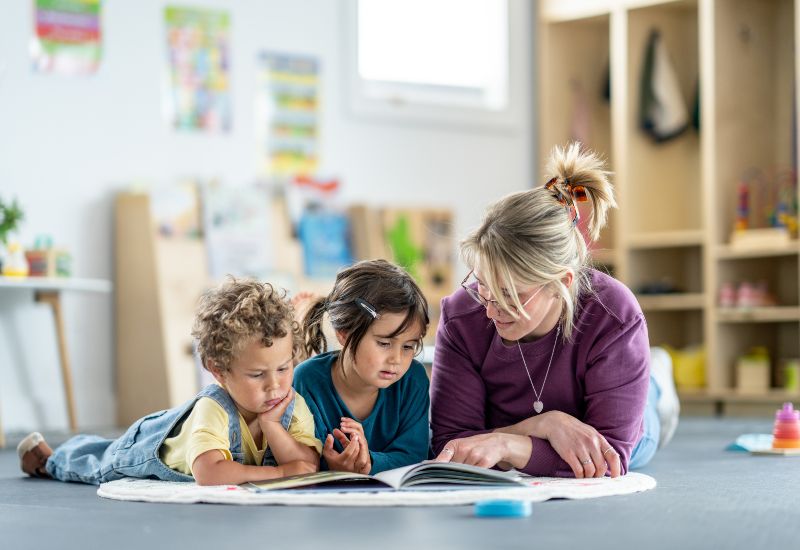
Age Requirements for Transitional Kindergarten
Finding the right age for transitional kindergarten helps you plan your child’s educational journey effectively. This program serves as a bridge for children who might not be quite ready for the rigorous demands of traditional schooling. We evaluate each child to ensure they are placed in an environment that matches their developmental stage.
Here are the key factors regarding age and readiness:
- Children are typically four or five years old when they start the program.
- The program is ideal for children with late birthdays who miss standard school cutoff dates.
- Teachers look at social and emotional maturity in addition to chronological age.
- We focus on readiness indicators like the ability to follow simple instructions.
Benefits Of Transitional Kindergarten for Young Learners
Parents often ask our team about the core benefits of transitional kindergarten. This extra year of early education provides a safe space for children to build foundational skills at a comfortable pace. When comparing transitional kindergarten vs kindergarten, the transitional model focuses heavily on emotional regulation and social interaction rather than strict academic testing.
Your child will experience several advantages in a transitional classroom:
- They develop strong social skills by interacting with peers in a guided setting.
- Children learn to manage their emotions and express their needs clearly.
- The classroom environment fosters independence and self-help skills.
- Students build a positive attitude toward school and lifelong learning.
How Transitional Kindergarten Helps Children Succeed
Understanding exactly how transitional kindergarten helps kids thrive can give you peace of mind. Our teachers carefully design a transitional kindergarten curriculum that blends academic concepts with purposeful play. This approach ensures that children remain engaged and excited about discovering new things every day.
The program sets children up for future success in several ways:
- Play-based learning activities introduce early math and literacy concepts naturally.
- Children practice fine motor skills through art, writing, and hands-on projects.
- Daily schedules help young students get accustomed to classroom routines.
- Group activities build confidence in speaking and sharing ideas with others.
Preparing Your Child For Transitional Kindergarten
Preparing child for transitional kindergarten involves simple, everyday activities at home. You can help your little one feel excited and confident about starting this new adventure. The team at Just Children partners with parents to make the transition as smooth as possible. We have multiple locations in the PA and NJ area to serve your family. You can find the closest center to you by visiting our locations page.
Try these simple steps to get your child ready for their new classroom:
- Read books together every day to build vocabulary and listening skills.
- Practice a consistent morning routine to make school days predictable.
- Encourage your child to practice dressing themselves and washing their hands independently.
- Talk positively about school and all the new friends they will meet.
Frequently Asked Questions
What Is The Difference Between Preschool And Transitional Kindergarten?
Preschool focuses heavily on early socialization and basic play. Transitional kindergarten introduces a more structured daily routine and foundational academic concepts to bridge the gap before first grade.
Will My Child Learn To Read In Transitional Kindergarten?
Our curriculum introduces early literacy skills like letter recognition and phonics. Some children may begin reading simple words, while others will build the essential skills needed to read later on.
How Do I Know If My Child Is Ready For The Program?
Look for signs of curiosity, an interest in playing with other children, and the ability to follow two-step directions. Our teachers can also help assess your child’s readiness during a center tour.
What Does A Typical Day Look Like?
A standard day includes a mix of group circle time, independent play, outdoor activities, and hands-on learning centers. The schedule provides a balance of active movement and quiet focus time.
How Can Parents Stay Involved In The Classroom?
We believe strong communication with parents is vital. We provide regular updates, parent-teacher conferences, and use tools like the Brightwheel program to keep you connected to your child’s daily progress.